Cruising has changed a lot in the last decade, and the biggest decision first-time cruisers get wrong is not the destination, it is the ship. Two cruises to the same region can feel like completely different trips depending on the ship's size, the cruise line's personality, and the itinerary style. Here is how to think through it.
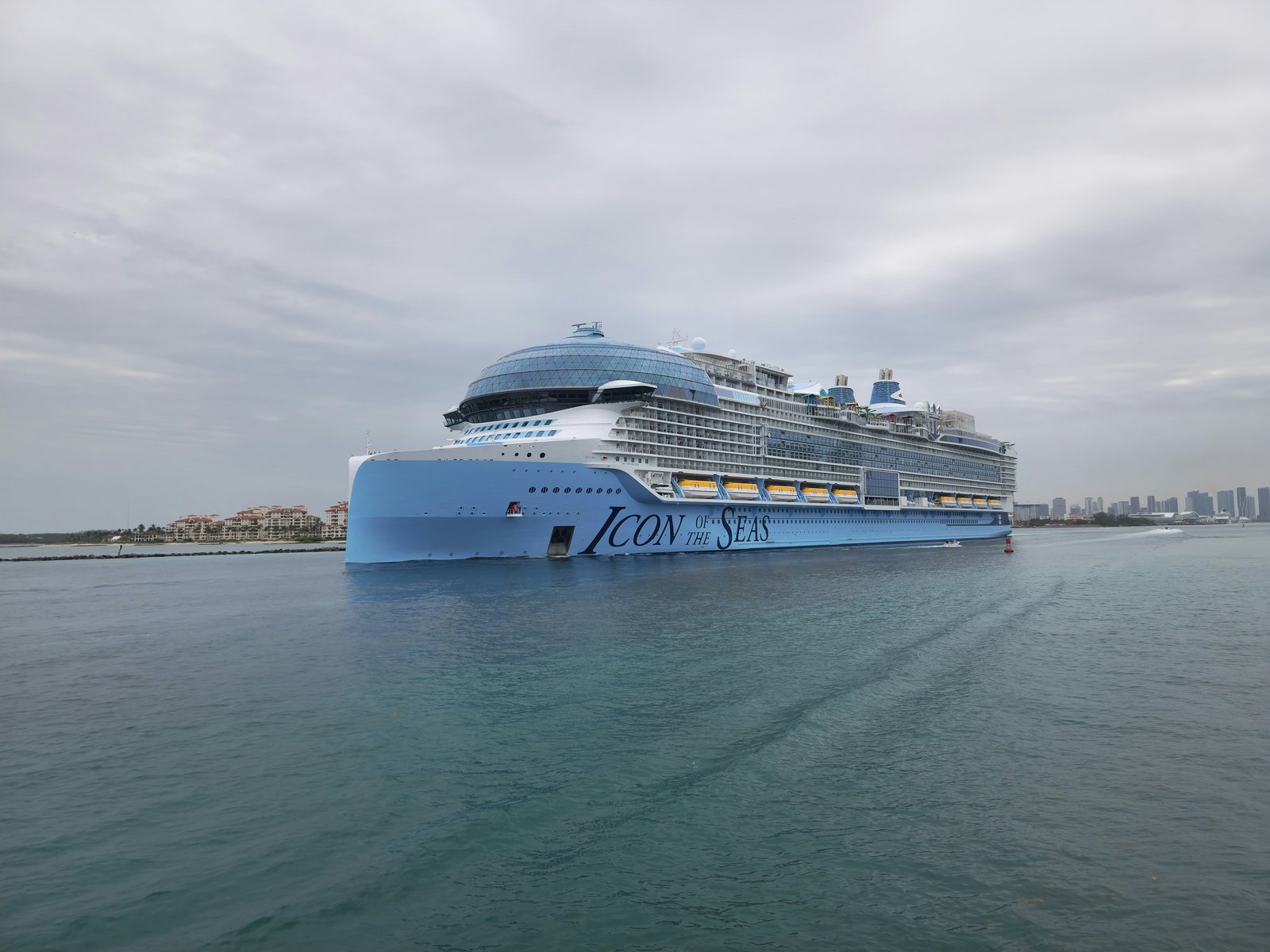
Mega-ships like Icon of the Seas have redefined what a cruise vacation can include, from waterparks to a dedicated adults-only neighborhood.
Big Ship vs. Small Ship
- Mega-ships (6,000+ passengers): Think waterparks, multiple pools, Broadway-style shows, dozens of dining venues, and activities for every age group. Best for families, first-time cruisers who want variety, and groups where everyone wants something different to do each day.
- Mid-size ships (2,000–4,000 passengers): A balance of onboard activity and a calmer atmosphere, often with more port-intensive itineraries than mega-ships.
- Small & luxury ships (under 1,000 passengers): Quieter, more all-inclusive by default, and able to access smaller ports mega-ships cannot. Best for couples, milestone trips, and travelers who prioritize the destination over onboard activities.
Choosing an Itinerary
The region shapes the trip as much as the ship does. Western and Eastern Caribbean itineraries are the most common first cruise, easy flights, warm weather nearly year-round, and short, beach-forward port days. Mediterranean itineraries trade beach days for culture and architecture, stopping at ports like Santorini, with its cliffside blue-domed villages, alongside stops in Italy, Greece, and Croatia. Longer positioning and world cruises sometimes route around Africa, with calls in destinations like Cape Town, offering a very different pace and scenery than a typical Caribbean week.


Left: Santorini, Greece, a signature Mediterranean cruise port. Right: Cape Town, South Africa, a highlight stop on longer world and positioning itineraries.
Cabin Categories, Explained
- Interior: The most affordable way onboard, no window, best for travelers who plan to spend most of their time exploring the ship and ports.
- Ocean view: A window without direct outdoor access, a middle-ground option.
- Balcony: Private outdoor space, worth the upgrade on longer sailings or itineraries with scenic cruising days.
- Suite: More space, priority boarding/disembarking, and often exclusive lounges or dining, worth considering for milestone trips or larger families needing more room.
What is Included vs. What Costs Extra
Base cruise fares cover your cabin, main dining room and buffet meals, most onboard entertainment, and access to pools and public spaces. What typically costs extra: specialty restaurants, drink packages, WiFi, spa services, shore excursions, and gratuities (often auto-added daily). Understanding this upfront helps avoid an unexpectedly high onboard bill at the end of the trip.
Why Book a Cruise Through an Advisor
Cruise pricing is public, but the extras are not always obvious to compare across lines and ships. Through our preferred cruise line relationships, we can often add onboard credit, cabin upgrades, or amenities at no added cost to you, the same fare, more included. We also help first-time cruisers pick the right ship and itinerary for their specific group instead of the one with the flashiest marketing, and we are the ones to call if an itinerary changes while you are onboard.
This guide focuses on ocean cruising and ship selection specifically. If a river cruise is more your speed, through wine country along the Rhine or Danube, or the canals of Amsterdam, we plan those too, and can help you weigh ocean versus river based on the destinations you want to see.